Business Name: Heritage Glass
Address: 2005 NE Columbia Blvd, Portland, OR 97211
Phone: (503) 289-3288
Heritage Glass
Company specializing in interior glass fixtures & dividers, with a showroom for shower enclosures.
2005 NE Columbia Blvd, Portland, OR 97211
Business Hours
Monday thru Friday: 7:30am to 3:30pm
Facebook: https://www.facebook.com/profile.php?id=100087644615356
A restroom sets the tone for a home. Buyers stroll through the front door with a mental list, but they make decisions in the restrooms and kitchen. When the shower enclosure squeaks, caulk lines yellow along the base, and a dated mirror warps reflections under extreme light, buyers begin tallying up future work. A fresh bath remodel does not just look great, it indicates a house that's been cared for. That echo of quality takes a trip through the whole property, lifting perceived worth and minimizing objections when it's time to negotiate.
I've spent years elbow-deep in remodels together with carpenters, plumbing professionals, and more than a couple of meticulous glaziers. The tasks that repay the cleanest typically start with 2 deceptively easy upgrades: a modern-day shower enclosure and a well-placed, well-sized mirror. Those modifications unlock light, improve everyday function, and move the feel of a restroom from utilitarian to quietly luxurious.
Why shower and mirror upgrades punch above their weight
Most purchasers and appraisers won't remember the grout line count or the exact tile model. They remember how the space felt. Glass plays a starring function because understanding. A brand-new shower enclosure eliminates visual mess, makes the space feel larger, and showcases the tile you bought. Combining that with a properly scaled mirror broadens sight lines and brightens skin tones, which is the difference between a restroom you tolerate and one you boast about.
Return on investment varies by market, however in mid-range remodels I have actually seen resale premiums cover 50 to 80 percent of the shower and mirror bundle cost within a year, in some cases more when the rest of the home is lined up with the upgrade. Even if you're not selling, those upgrades pay in day-to-day use: less disappointment with sticky doors, better lighting for routines, and much easier cleanup that cuts your weekend tasks down to minutes.
Framed, semi-frameless, or frameless: how to pick the ideal enclosure
A glass company will offer alternatives throughout the spectrum. Your choice must consider spending plan, bathroom design, and how you desire the area to check out visually.
Framed systems lean affordable and durable. The metal frame provides rigidity, which indicates thinner glass can be utilized, lowering cost. They're workhorses in rental properties and secondary baths. The trade-off is more visual lines and more places grime can settle. If you do go framed, define top quality anodized finishes and sealed corners. Skimping here creates upkeep headaches you can't clean away.
Semi-frameless is a clever middle ground. You'll see metal just where it matters structurally, so the enclosure feels lighter without the cost jump of fully frameless panels. These suit most rural primary baths, especially where two or 3 glass edges fulfill tile. They also endure small out-of-plumb walls, which are common in older houses.
Frameless, developed with 3/8 inch or 1/2 inch tempered glass, is the beloved of style magazines for a factor. With very little hardware, the shower ends up being a drifting volume, letting stone or artisan tile shine. It boosts viewed square video because your eye isn't stopping at borders. Frameless costs more and demands better preparation work: walls and curb should be truer, hinges requirement obstructing inside the wall, and the glass edges need to be polished for safety and visual appeals. Done right, it feels custom because it is.
I've installed all three. The times frameless dissatisfied had absolutely nothing to do with the glass and whatever to do with structure. A hinged door hung on drywall without strong backing will droop, even if it looks perfect on the first day. Get the bones right, and frameless makes its keep.
Hinged door or sliding system: traffic patterns decide
Door design modifications how you move in the room. A hinged swing door uses the cleanest look and a broad opening. It's my very first choice when you have at least 30 inches of clear swing and no components to hit. Utilize a sweep and a threshold detail that presses water inward. Pivot hinges anchored into blocking manage the weight gracefully.
Sliding, or bypass, doors shine in tighter layouts, particularly for tub-shower combinations where a hinged door would strike a toilet or vanity. Modern sliders prevent the rattly tracks of old motel restrooms. Search for stainless rollers and a top rail system that keeps panels lined up. Soft-close hardware deserves the upcharge, both for the feel and to lower tension on anchors. If the opening is under 56 inches, verify you can get a bypass package that keeps glass overlap appropriate to control splash.
For corner showers, a neo-angle design with a single hinged door can save flooring space. One caution: the angle requires precise glass cuts and tight setup tolerances. This is where a knowledgeable glazier makes their fee.
The quiet hero: appropriate water management
Glass is just as great as the surface areas it fulfills. A shower that leakages at the curb or pools water in the jamb will ruin trim, swell doors, and stain stone. The fall of the pan should drop about a quarter inch per foot toward the drain, consistently. The curb requires a minor inward pitch as well, usually 1/8 inch, so water heads back inside. I have actually replaced beautiful glass on showers that failed since the curb pitched outward by 2 degrees. No amount of caulk beats gravity.
Ask the installer how they prepare to seal verticals. A dry fit initially, then clear silicone seams, plus discreet vinyl seals at the hinge and strike sides is basic for frameless. Do not rely on constant metal channels to do all the work; they trap wetness. Properly done, you get clean lines and a shower that remains dry where it should.
Hardware and finish information that offer the look
The best shower enclosures share a common thread: cohesive hardware. Connect your shower hinges, pulls, and clips to the space's other metals. If the vanity has actually brushed nickel and the lights are polished chrome, select a lane. Blending within the very same family can work, however prevent a three-metal circus. Matte black appearances sharp in photos, however reveal fingerprints quicker than brushed finishes. Polished brass has actually roared back, yet it requires better care and a careful read of the remainder of the house.
Door handles deserve attention. A 6 to 8 inch ladder pull feels significant. Thin C-pulls can look anemic on much heavier glass. On sliders, choose deals with that will not snag towels or bathrobes. If you have small children or older adults, demand rounded edges. It sounds fussy, until the very first contusion tells you otherwise.
Finally, confirm that the glass company uses stainless screws and strong support plates behind decorative caps. I have actually removed too many wore away fasteners from seaside homes that could have been prevented with the ideal metal.
Clarity, privacy, and the best glass
Clear glass serves most main showers and keeps the room intense. Low-iron glass deserves considering for white or light stone. Standard clear glass has a greenish tint from the iron material, which can mute brilliant tile work. Low-iron lets the real color show. Expect a 15 to 30 percent premium.
For shared baths, patterned or satin-etched personal privacy glass takes the edge off without turning the shower into a cavern. Prevent heavy textures on the inside face, which gather soap residue. I normally spec smooth inside, engraved outside for easier cleansing. If your restroom is on a public-facing wall with a window near the shower, consider laminated glass in the window for included personal privacy and noise dampening, and keep the shower glass tempered as required by code.
Coatings matter, however choose carefully. Factory-applied hydrophobic coatings lower spotting commercial glass and make squeegeeing faster. They will not change routine cleaning, yet they extend the interval between deep scrubs. Ask for an item with a service warranty backed by the producer, not just the installer. Store-bought sprays assist, though they wear off within months.
The mirror's task: enhance light, flatter skin, anchor the vanity
A mirror isn't just a reflective sheet. Scale, placement, and lighting interaction to form how a restroom feels. A too-small mirror makes a vanity appearance cheap. Extra-large mirrors, when proportioned right, create hotel-level presence without a hotel budget.
For a single-sink vanity in between 30 and 48 inches, I like a mirror that's 2 to 4 inches narrower than the vanity and 32 to 40 inches tall. Over a double vanity, 2 framed mirrors can look customized, with 2 to 3 inches of breathing space around each. If your backsplash climbs high, step so the mirror clears it by at least half an inch, preventing awkward overlaps with wall sconces.
Lighting deserves its own minute. Side-mounted sconces at about eye level, normally 60 to 66 inches from the flooring, beat a solitary bar light above the mirror since they cut shadows under the eyes and chin. If wall space is tight, backlit mirrors or incorporated LED mirrors include an even glow that's surprisingly lovely. Define a color temperature between 2700K and 3000K for warm, natural skin tones. Press beyond 3500K and you'll divert into dental-clinic pallor, which nobody loves at 6 a.m.
Edge surfaces matter. A tidy, pencil-polished edge on a frameless mirror matches contemporary areas. Framed mirrors bring depth and a chance to echo cabinet finishes or metal tones. In moist spaces, ask your glazier for copper-free mirror to withstand edge creep, that blackening that appears like a shadow around the boundary over time.
Real-world examples, from fast wins to complete transformations
A household in a 1990s colonial asked me to "make the restroom stop feeling beige." We kept the existing vanity, switched in a semi-frameless slider over the tub with low-iron glass, included a 36 by 30 inch mirrored medicine cabinet recessed in between studs, and replaced the single overhead fixture with two flanking sconces. Overall spend landed under $3,500, excluding paint. The room felt twice as wide, even though we didn't move a wall. When they sold two years later, the purchaser's agent called out the "intense, upgraded bath" as a reason the home got several offers the first weekend.
In a midcentury cattle ranch, a primary bath struggled with a narrow neo-angle stall and a mirror that appeared like it came from a dormitory. We reframed a straight 60 inch opening, set up a frameless hinged door with a fixed sidelite, and paired it with a 58 inch, 1/4 inch-thick copper-free mirror, framed in white oak that matched floating racks. The shower glass ran $2,800, the mirror and frame $650. The appraisal after restoration ticked up beyond the invoice overall when compared to current sales, largely because the bath finally matched the home's architectural simplicity.
When to call a glazier and what to expect
A good glazier saves you from little mistakes that end up being everyday inflammations. They'll measure out-of-plumb walls, make up for bowing tile, and guarantee doors align with gravity, not the wishful thinking of a house owner with a measuring tape. The majority of reputable glass business will schedule a site see after tile work is complete and waterproofing has cured. They'll template on the same day or within a week. Customized glass fabrication runs about 7 to 14 company days in most areas, longer for complex cuts or specialty coatings.
Expect them to confirm stud locations for hinge points and deal with placement. If you're early in preparation, ask your contractor to embed 2 by 6 obstructing where hinges and towel bars will live. Retrofitting blocking ways opening walls, which can lose time and money. An excellent glazier will likewise talk through sweep positioning, door clearances, and the best entry side based upon water flow and your dominant hand.
For mirror sets up, go over anchor methods. On drywall, toggle anchors ranked for the mirror's weight are standard. On tile, you wish to hit studs or use specialized anchors and appropriate drill bits that don't break the glaze. A mindful installer sets a bottom ledge or uses temporary shims while adhesive remedies, making sure the mirror sits completely level and won't slip.
Working within a budget without looking cheap
Not every project needs high-grade everything. There are trade-offs that preserve the look and function.
Choose semi-frameless over frameless when walls run out square and funds are tight. You'll save money on glass density and hardware while preventing custom shims that add expense and can look awkward. Spend the cost savings on much better lighting and a quality mirror, which your face will thank you for daily.
Skip heavy patterns. Lightly frosted or satin-etched panels bring privacy without screaming 2005. If you long for texture, use it in the tile and keep the glass quiet. On mirrors, a clean frameless sheet hung with low-profile clips can measure up to designer frames, particularly if the vanity has strong lines.
Reserve low-iron glass tactically. Utilize it on the door and primary panel where eyes stick around, and use standard clear on less conspicuous returns. Many people will not see the shift, and you'll cut the premium to a workable bite.
Maintenance that safeguards your investment
Routine care keeps your glass and mirrors showroom-bright. A fast squeegee after showers takes 30 seconds and prevents hard water spots from etching the surface area. Pair that with a weekly wipe of watered down white vinegar and water on glass, followed by a soft towel dry. Avoid abrasive pads that can scuff finishes. For mirrors, keep glass cleaner away from the edges to secure the support; spray the fabric, not the mirror, then wipe.
Ventilation plays a larger role than any cleaner. A bath fan ranked for the room's size, running during and for 15 minutes after showers, slows mold growth and maintains caulk and mirror edges. If your mirror has started to blacken at the bottom, it's signifying that moisture is overwhelming the space.
Safety and code considerations you should not ignore
Every shower enclosure must utilize tempered safety glass by code. Tempered glass is four to 5 times more powerful than basic and shatters into little pellets instead of sharp shards. For large panels near tubs or windows, laminated options can include sound control and security, but they're heavier and more pricey. If you have a window inside the shower footprint, inquire about window glass replacement with tempered or laminated panes rated for wet places. Wood window sills inside showers are a maintenance time bomb; switching to stone or solid-surface sills pays off in durability.
Mind door swing conflicts. Doors can not swing into a tub or toilet. For tight areas, a pivot hinge that enables partial inward swing when dry can assist with clearance, but many codes require outward egress. These details are simpler to resolve on paper than after drilling holes in tile.
How mirrors and shower glass connect with the rest of the bath remodel
Treat glass and mirrors as the connective tissue between tile, cabinetry, paint, and light. A heavy-veined stone needs breathing room, which frameless glass offers. Busy mosaic tile take advantage of a calm mirror frame to ground it. A warm white paint on the walls moves the reflected light, so test mirror placement with samples of your lighting temperature level to avoid surprises.
During a complete bath remodel, schedule glass measurements after tile is set however before last painting. You'll get a cleaner silicone line and prevent nicking fresh paint during set up. If your remodel includes windows that are fogged or split, coordinate window glass replacement through the exact same glass company. Their producers can match tints and low-e finishes so the whole suite feels integrated.
Commercial ideas that translate to domestic polish
I found out a couple of techniques on commercial glass jobs that residential clients enjoy. Hotel restrooms typically utilize extra-large, wall-to-wall mirrors with integrated defoggers. You can bring that home. Ask your glazier for a mirror heating pad sized to your glass. They're thin, sit behind the mirror, and connect into a switch or lighting circuit. No more cleaning stripes after hot showers.
Another crossover: thicker glass racks in shower specific niches. A 3/8 inch tempered glass shelf floats beautifully and resists breaking better than tile edges. It's much easier to clean up, too. In powder spaces, a basic, large frameless mirror installed with stand-offs provides a boutique feel without custom-made cabinetry.
Even storefront moving hardware in miniature can elevate a long tub enclosure. Industrial-grade rollers scaled for residential use glide silently and stay plumb, an information most visitors see without understanding why.
The value discussion: numbers, timing, and the market
A thoughtful shower and mirror refresh can be finished in 2 to 3 weeks from design template to last wipe-down, with real on-site work frequently under 8 hours spread out across two check outs. Expenses vary by region, however as a rough variety, expect $1,200 to $2,500 for a semi-frameless enclosure, $2,500 to $4,500 for frameless with basic clear glass, and $500 to $1,200 for a quality mirror plan consisting of install. Add 15 to 30 percent for low-iron glass or custom-made angles, less for uncomplicated sliders on tubs.
If you're getting ready for sale, schedule this work 4 to eight weeks before noting photos. Fresh silicone, spotless glass, and properly aimed lighting will photograph magnificently. Appraisers won't appoint a line-item bump for "pretty shower," yet they do assess condition and level of finish. Integrated with coherent style options, these upgrades tilt the condition ranking upward and lower the list of purchaser concessions.
How to vet a glass company before you sign
You can tell a lot from the first website visit. A trusted company measures twice, asks about obstructing, and explains how they'll address out-of-plumb conditions. They'll show samples of hardware finishes rather than pointing at a catalog. If a quote looks suspiciously low, it may leave out important products like edge polishing, low-iron upgrades, or hardware warranties.
Ask for recommendations within the last year and images of similar installs. Ask about lead time, fabrication area, and what occurs if a panel shows up out of spec. Most pros construct contingencies into schedules and own mistakes quickly. If the glazier or salesperson dodges questions about care, finishings, or weight limitations for mounting mirrors on tile, discover another team.

A basic sequence that keeps the task on track
- Finalize tile design and confirm wall stopping, curb pitch, and drain area before drywall goes up. After tile is installed and grouted, arrange the glazier to template. Confirm hardware surface and glass type on site. Fabrication profits while you set up or settle lighting and paint. Keep wall areas where the mirror will install tidy and dry. Install day: the crew sets glass and mirror, seals as required, and leaves clear care instructions. Avoid using the shower for 24 to 48 hours while silicone cures.
Follow that cadence and you'll prevent the typical back-and-forth that burns time and goodwill.
Common risks and how to avoid them
I've seen stunning work marred by small oversights. One customer insisted on a flush curb to keep a constant tile floor into the shower, then questioned why towels resided on the restroom floor. A curb can be very little, even a low 2 inch increase, and still control water. Another case: a frameless door swinging into a vanity manage. The fix required changing the vanity hardware and moving the strike plate, which included expense. A cardboard mock-up of the door swing throughout rough-in would have captured it.
Mirrors hung with adhesive alone can slip if the wall paint isn't cured. Use both mechanical assistances and adhesive. On older homes, check walls for bowing. A large mirror will telegraph any tummy in the drywall or plaster. A few shims placed thoroughly behind the glass keep reflections straight and prevent stress points.
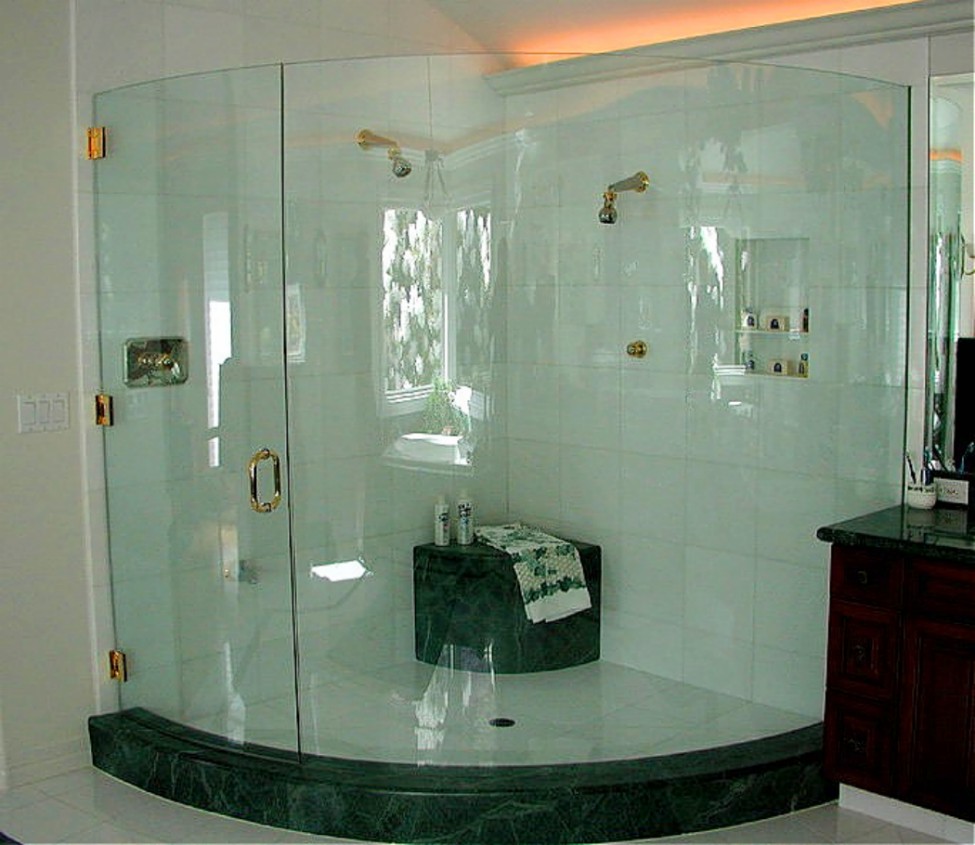
Finally, don't forget height. Mounting a mirror expensive leaves much shorter users thinking where their hairline went. Aim to center the mirror's vertical field around 60 to 64 inches from the flooring, adjusting for home height. For a family with broad variation, taller mirrors rescue everyone.

The downstream impact: better mornings, stronger resale, less regrets
The right shower enclosure turns tile into a feature, not a background. The best mirror makes your lighting work more difficult and your regimens smoother. Together, they move a bath remodel from appropriate to desirable, a shift that appears in purchaser interest and everyday fulfillment. They are likewise flexible upgrades. You can phase them in without tearing the room apart, and they dovetail nicely with other improvements like window glass replacement, brand-new components, or fresh paint.
Talk with a trusted glazier, plan for the information that matter, and select materials that stabilize care, spending plan, and style. You'll feel the upgrade every early morning, and when it's time to offer, buyers will feel it too.
Heritage Glass uses highly trained glass installation teams
Heritage Glass emphasizes exceptional customer service
Heritage Glass aims to provide competitive pricing
Heritage Glass offers plate glass and insulated window replacement for commercial projects
Heritage Glass installs showcase glass and shelves in commercial settings
Heritage Glass installs storefront aluminum frames
Heritage Glass displays past project examples in its project gallery
Heritage Glass partners with trusted glass suppliers
Heritage Glass provides free project estimates upon contact
Heritage Glass has a contact phone number for inquiries (503) 289-3288
Heritage Glass operates Monday through Friday
Heritage Glass is a commercial and residential glass installation company
Heritage Glass is located in Portland, Oregon
Heritage Glass was founded in 1970
Heritage Glass serves the Portland Metro and surrounding area
Heritage Glass specializes in commercial glass installations
Heritage Glass installs storefronts and secure glass doors
Heritage Glass provides tenant improvement glass services
Heritage Glass offers residential shower glass installation
Heritage Glass offers a broad selection of glass and hardware options
Heritage Glass has a phone number of (503) 289-3288
Heritage Glass has an address of 2005 NE Columbia Blvd, Portland, OR 97211
Heritage Glass has a website https://www.heritage-glass.com/
Heritage Glass has Google Maps listing https://maps.app.goo.gl/ZAZDjqmi5bpCQR9A8
Heritage Glass has Facebook page https://www.facebook.com/profile.php?id=100087644615356
Heritage Glass Best Glazier Award 2025
Heritage Glass earned Best Customer Service Award 2024
Heritage Glass placed Top in Custom Shower Enclosures 2024
People Also Ask about Heritage Glass
What types of glass services does Heritage Glass offer?
Heritage Glass provides both commercial and residential glass services, including installation of storefronts, secure glass doors, tenant improvements, mirrors, heavy glass, and custom shower glass enclosures
Where is Heritage Glass located and what areas do they serve?
Heritage Glass is located at 2005 NE Columbia Boulevard in Portland, Oregon and serves the Portland Metro area, including surrounding communities like Gresham, Vancouver, and Hillsboro
How long has Heritage Glass been in business?
Heritage Glass has been providing professional glass installation services since 1970, giving them over 50 years of experience in the industry
What should I expect during the glass installation process?
Heritage Glass emphasizes clear communication, competitive pricing, and professional service. Their team works closely with clients to understand project requirements and delivers high-quality installations on time and within budget
Where is Heritage Glass located?
Heritage Glass is conveniently located at 2005 NE Columbia Blvd, Portland, OR 97211. You can easily find directions on Google Maps or call at (503) 289-3288 Monday thru Friday: 7:30am to 3:30pm
How can I contact Heritage Glass?
You can contact Heritage Glass by phone at: (503) 289-3288, visit their website at https://www.heritage-glass.com/,or connect on social media via Facebook
Irving Park . Irving Park’s classic Portland charm inspires nearby property owners to invest in elegant shower enclosures, quality residential glass, and reliable commercial glass installation.